The SaaS era was defined by unbundling : find a workflow, optimize it, own it. Salesforce chose sales automation. Slack chose chat. Dropbox chose file sharing. Point solutions won by perfecting single workflows. The playbook : own one pain point, expand from there.
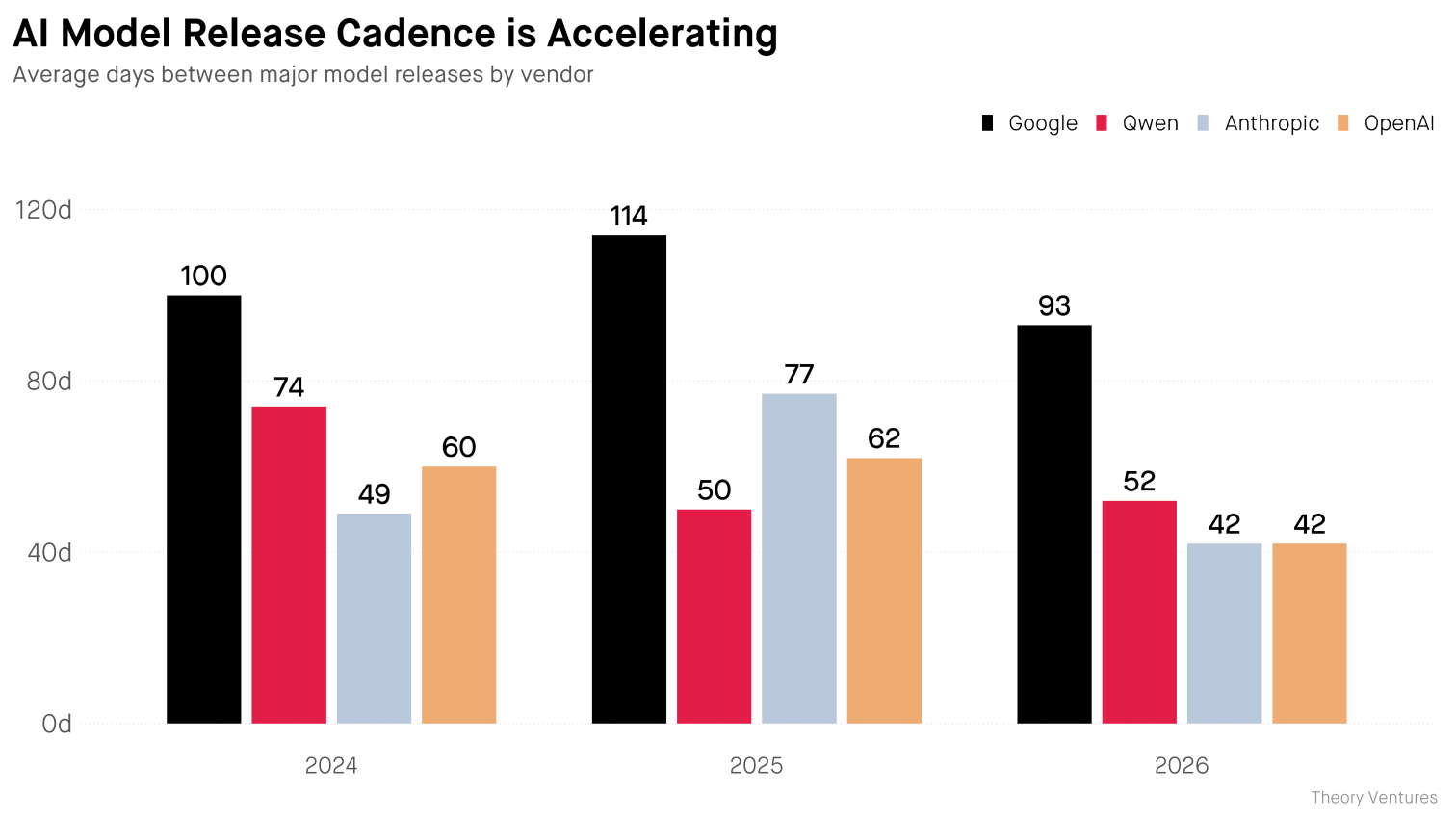
AI is moving faster than anyone predicted. When models change every 42 days, buyers can’t assemble a best-of-breed stack. They want a platform they can trust for three to five years.
Legal → Professional Services. Harvey now positions itself as AI for legal and professional services, not just law firms. It serves corporate legal departments, court systems, and co-built a Tax AI model with PwC covering 25+ jurisdictions.12
Enterprise Search → Work AI. Glean started as enterprise search. Now it sells vertical solutions for healthcare, financial services, and government, with dedicated agents for sales, HR, and engineering3.
Audio Models → Voice Agents. ElevenLabs started with text-to-speech. Now it offers voice agents for customer service, music generation, and AI audiobooks.4
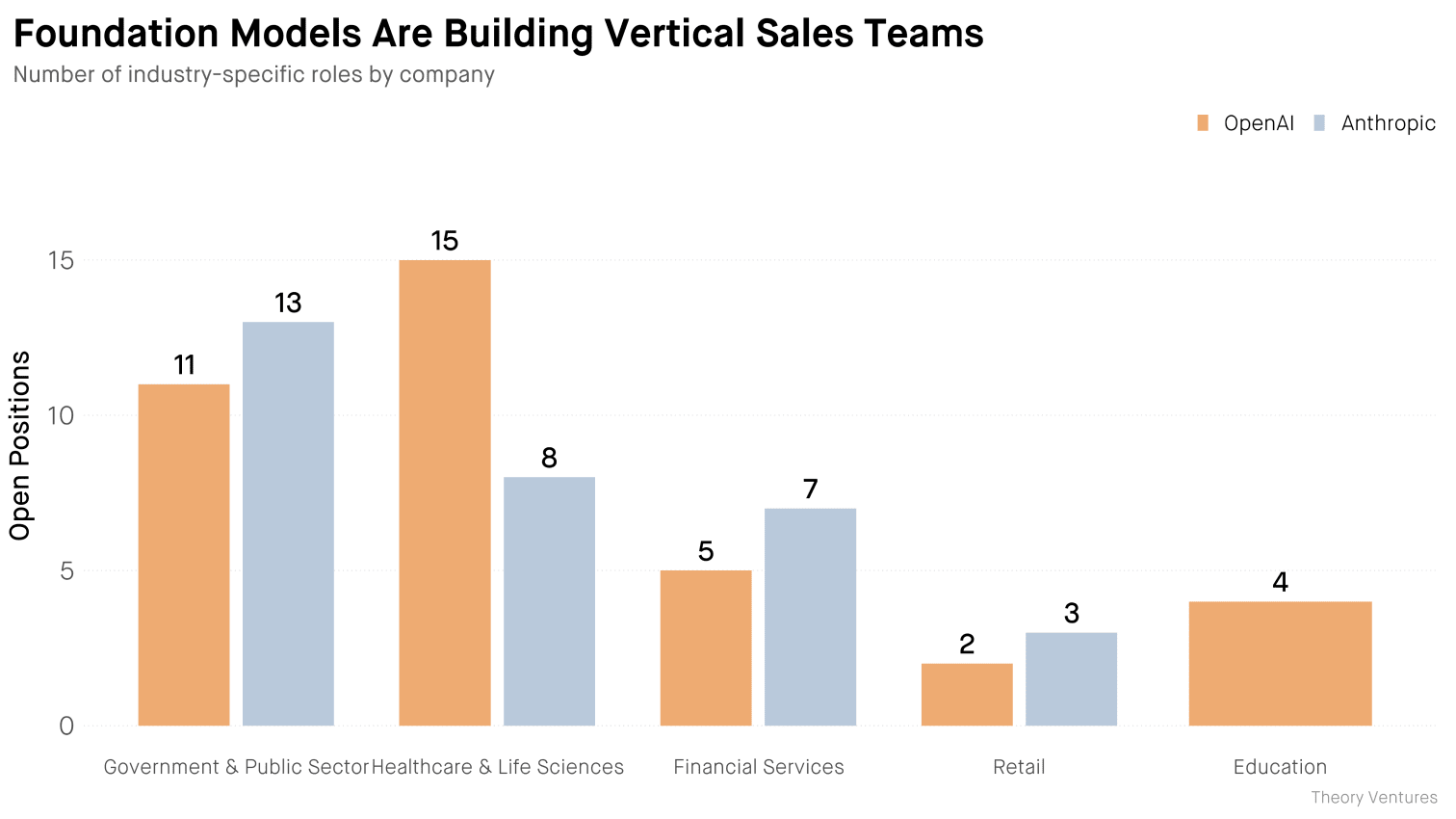
Foundation model companies are doing the same. OpenAI launched a dedicated Healthcare & Life Sciences vertical, complete with industry-specific sales teams and solutions engineers. Anthropic built an Industries organization with account executives for healthcare, insurance, and federal markets. They’re not selling APIs. They’re becoming platforms.56
Each of these companies recognized the cognitive burden of unbundling7. They’re not selling features. They’re selling trust.
There’s a deeper logic at work. Once integrated, AI systems see how teams operate, capture workflows, and build more systems on top of them. As the cost of software development falls, trusted partners with broad adoption can expand faster than anyone else.
The SaaS playbook rewarded specialization. The AI playbook rewards breadth.